
Best Running Shoes for Wide Feet (2026)
The wrong width causes blisters and black toenails. What actually makes a running shoe wide-foot friendly, and how to buy the right fit online.
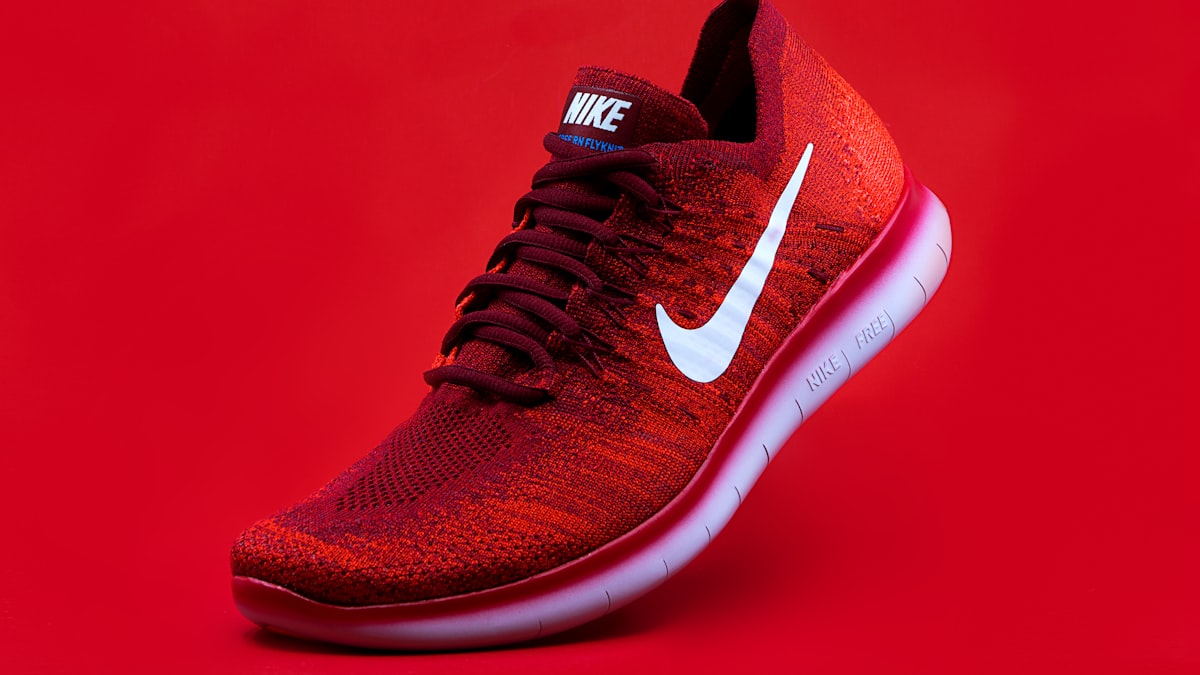
If running leaves you with blisters, black toenails or numb toes, your shoes are probably too narrow — not too small. Finding the best running shoes for wide feet is less about a single "best" model and more about knowing which features give your feet room to move. Here's what to look for and how to get the fit right online.
Narrow shoes cause more than discomfort
A cramped toe box doesn't just hurt — it causes bunions, blisters, and lost toenails, and it can throw off your stride. Your feet swell and spread as you run, so a shoe that feels "snug but fine" in the shop can become painful at mile three.
The features that make a running shoe wide-foot friendly
- A roomy, rounded toe box — your toes should splay naturally, not be squeezed to a point.
- Genuine width options (2E, 4E for men; D, 2E for women) — a true wide fit, not just a bigger length.
- A stretchy, seamless knit upper that flexes with your foot instead of pressing on it.
- A secure midfoot and heel so a wider forefoot doesn't mean sloppy fit everywhere.
- A flat, stable base for support without pinching.
How to know if you truly have wide feet
Measure the widest part of your foot (across the ball) in the evening, when feet are at their largest, and compare it to the brand's width chart — the same measure-first habit we cover in the shoe size guide. Many people buy narrow their whole lives simply because they never checked.
Compare running shoes across brands
Buying the right fit online
- Measure both feet for width and buy for the wider one.
- Filter for "wide" or "2E/4E" width where brands offer it.
- Scan reviews for "narrow fit" or "runs wide" — runners flag this constantly.
- Leave a thumb's width of room at the toe for swelling.
- Found the pair but not the price? Tap the bell and set a price alert.
Frequently asked questions
What should I look for in running shoes for wide feet?
A rounded, roomy toe box, a true wide-width option, and a stretchy seamless upper — with a secure heel so the fit stays locked in.
Should I size up for wide feet?
No — sizing up in length causes heel slip. Choose an actual wide (E) width instead, which adds room where you need it.
How do I measure my foot width?
Trace your foot in the evening, measure across the widest part (the ball), and match it to the brand's width chart rather than guessing.
Keep reading
 Buying Guides
How to Choose the Right Jeans for Your Body Type
The "perfect" jeans are the ones cut for your shape. Here's how to match rise, leg and stretch to your body type — and get the fit right online.
 Buying Guides
Best Winter Coats to Keep You Warm Without the Bulk
Down, wool or synthetic? A guide to the warmest winter coats that stay slim — plus what "fill power" actually means before you buy.
 Buying Guides
The Little Black Dress & Beyond: Choosing the Perfect Dress for Every Budget
One dress, endless occasions. How to choose an LBD (and its colourful cousins) by cut, fabric and length — whatever your budget.