
Are Designer Dupes Worth It? A Price & Quality Breakdown
The look for a fraction of the price — but is the trade-off worth it? An honest look at designer dupes: quality, ethics, and when they make sense.
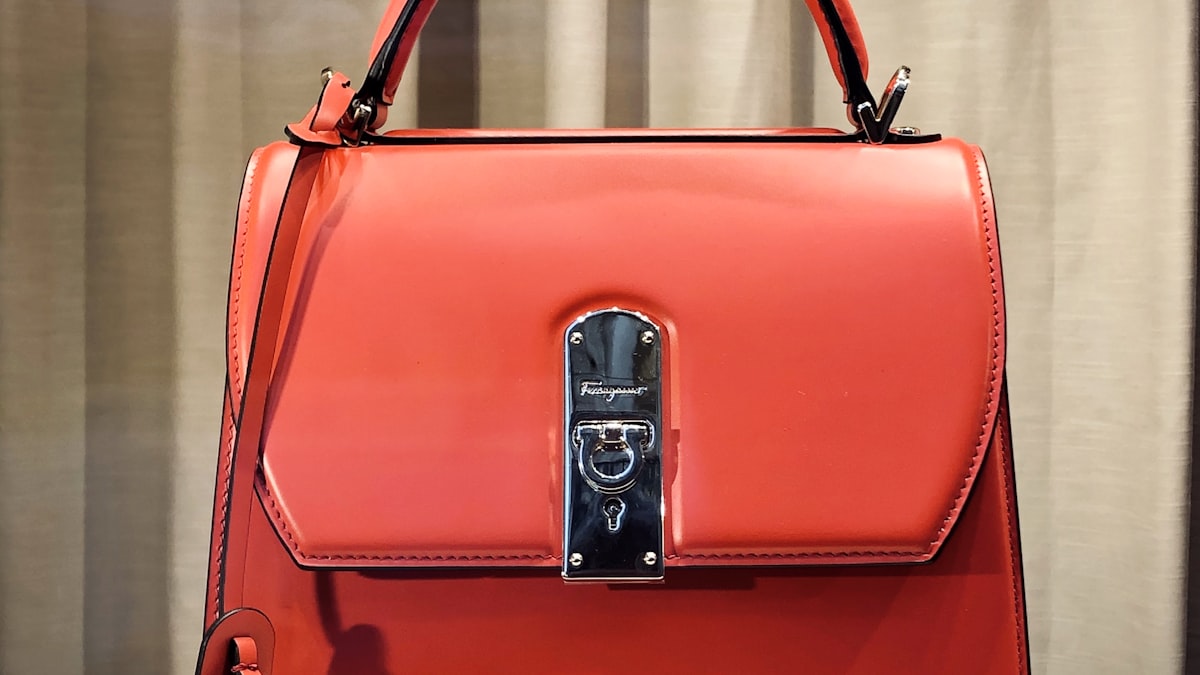
"Dupe" is everywhere right now — the affordable piece that looks like the designer original for a fraction of the price. But are designer dupes worth it? Sometimes they're a genuinely smart buy; sometimes they're a false economy. Here's an honest breakdown of price, quality and ethics so you can decide for yourself.
First, what a "dupe" actually is
A dupe is a legally-sold product that resembles a designer item in look or style — not a counterfeit. Counterfeits copy the brand's logo and trademarks and are illegal; dupes just capture a similar silhouette, colour or vibe. This article is only about legitimate dupes, never fakes.
When a dupe is worth it
- For trends that won't last. If a shape is hot this season but gone next, paying designer prices makes little sense.
- When it's the style you love, not the label. If nobody needs to know the brand, a dupe delivers the look for less.
- For fast-moving categories like statement jewellery or seasonal colours you'll wear a handful of times.
When to skip the dupe and invest
- Everyday workhorses. A coat, shoes or a bag you'll use daily should be judged on cost-per-wear — a durable original can be cheaper over time.
- When quality is the whole point. If the original's value is its leather, construction or longevity, a cheap dupe won't deliver it.
- When the dupe is disposable. A piece that falls apart in two months isn't a saving — it's landfill you paid for.
How to judge a dupe's quality
- Read the fabric composition — natural fibres and higher percentages usually last longer.
- Zoom into product photos for stitching, seams and hardware.
- Scan reviews for durability comments, not just "looks great."
- Work out the cost-per-wear: cheap × few wears can be pricier than quality × many.
Compare the look across brands and prices
The smartest option of all: track the original
Before you settle for a dupe, check whether the piece you actually want ever goes on sale. Designer and premium items drop in price more often than you'd think — set a price alert and you might get the real thing near a dupe's price. It's the same principle as spotting a genuine sale, and it pairs well with our money-saving guide.
Frequently asked questions
Are designer dupes worth buying?
For short-lived trends and pieces you love for the look rather than the label, yes. For everyday workhorses judged on durability, investing in quality often costs less per wear.
Are dupes the same as fakes?
No. Dupes legally resemble a style; fakes illegally copy a brand's logo and trademarks. Buy dupes, never counterfeits.
How do I tell if a dupe is good quality?
Check the fabric composition, inspect stitching and hardware in photos, read durability-focused reviews, and calculate cost-per-wear.
Get the look for less — the smart way
Compare styles and track prices so you never overpay, dupe or original.
See today's dealsKeep reading
 Deals & Savings
How to Know If a Fashion "Sale" Is Actually a Good Deal
That big red "50% OFF" tag doesn't always mean you're saving. Here's how to tell a genuine markdown from a fake one — using price history.
 Deals & Savings
The Best Months to Buy Clothes on Sale (2026 Calendar)
Every category has a cheapest month. Here's the full 2026 calendar of when coats, jeans, dresses and shoes hit their lowest prices.
 Deals & Savings
10 Ways to Save Money on Clothes (Without Buying Cheap)
Spend less, not worse. Ten practical ways to save money on clothes — from price tracking to cost-per-wear — without filling your closet with cheap fast fashion.